


Preparing for the Road Test with Confidence and Skill
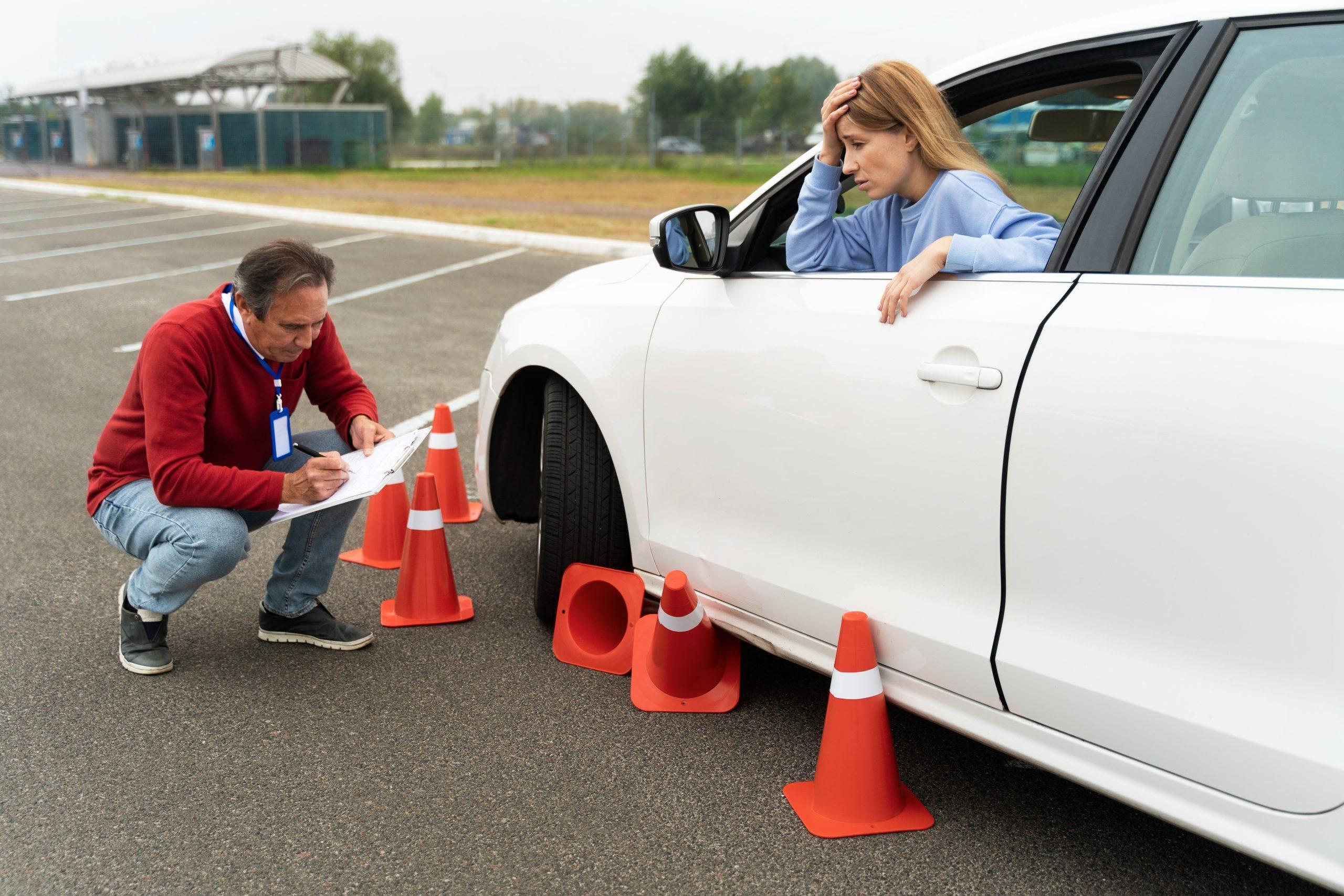
The distinct feeling of anxiety that settles in the stomach before a driving test is a universal experience shared by nearly everyone who has ever sat behind the wheel. We place an immense amount of pressure on this single event because it represents a gateway to independence and a significant life milestone. AAA Car Driving School understands that the difference between a pass and a fail is rarely just about technical skill; often, it is about the confidence to perform under observation and the ability to manage the psychological weight of the moment.
Preparation is the only reliable antidote to this specific brand of nervousness. When you truly understand the expectations of the examiner, the mystery of the test evaporates, leaving only a checklist of tasks to perform. A comprehensive curriculum focuses on demystifying the process by simulating the testing environment long before the actual day arrives. This involves rigorous practice of the specific maneuvers that often trip up prepared students, such as parallel parking in tight spaces or executing a seamless three-point turn while managing traffic flow. By repeating these actions until they become muscle memory, the student removes the need to overthink during the exam. They stop worrying about "how" to turn the wheel and focus entirely on "when" to turn it.
Furthermore, understanding the local driving culture is a subtle but critical component of readiness. Every city has its own rhythm, from the timing of traffic lights to the aggressiveness of merging vehicles during rush hour. For a student attending a Santa Clara Driving School, learning the specific nuances of the local roads provides a distinct advantage. It allows the driver to anticipate hazards rather than simply reacting to them. This proactive approach is exactly what examiners are looking for—a driver who is engaged with their environment and making safe decisions in real-time. Knowing where the school zones are, which intersections have obscured visibility, and how local drivers behave at four-way stops allows the student to drive with a level of assurance that inexperienced drivers lack.
Another key aspect of securing a license is mastering the art of "demonstrative driving." It is not enough to simply check a mirror with your eyes; you must move your head slightly to show the examiner that you are actively scanning. It is not enough to stop the car; you must feel the settle of the chassis to prove it was a complete stop. Instructors who focus on these performative elements ensure that their students communicate their competence clearly and effectively to the person in the passenger seat. This level of polish often tips the scales in favor of a passing grade. An examiner feels safer with a driver who is visibly engaged in the process of safety.
Finally, consider the emotional support provided by a professional instructor. Many students spiral after making a minor mistake during a test, turning a small point deduction into a major failure. A good instructor teaches resilience—the ability to take a breath, reset, and continue driving safely after a hiccup. This mental fortitude is often the deciding factor on test day.
Conclusion Securing a driver's license is a journey that requires more than just memorizing the rulebook; it demands a holistic approach to skill building and confidence. By focusing on thorough preparation, local knowledge, and the psychology of testing, students can approach their exam with a sense of calm assurance.
Call to Action Take the first step toward earning your license with instruction that prioritizes your success and peace of mind. Learn more about our comprehensive programs at https://aaacardrivingschool.com/.
 Deutsch
 English
 Arabic
 French
 Spanish
 Portuguese
 Turkish
 Dutch
Dutch
 Italiano
 Russian
 Romaian
 Portuguese (Brazil)
 Greek
Greek